Test Event
14.04.2026 | 8:00 - 16.04.2026 | 13:00, Kassel Veranstaltungsort: Online Kategorie: Webinar
14.04.2026 | 8:00 - 16.04.2026 | 13:00, Kassel Veranstaltungsort: Online Kategorie: Webinar
Die Studie „Treibhausgas-Szenarien für die langfristige Budgetprognose 2025" des österreichischen Umweltbundesamtes 2025 zeigen deutlich: Österreich wird selbst bei zusätzlichen Maßnahmen seine Klimaziele bis 2030 voraussichtlich verfehlen.

WEEE is a source of annoyance: the quantities are constantly increasing, the already complex recycling is made more difficult by design developments and every new battery threatens to fire. Therefore, in the "EU Recyclers' Roadmap: For a circular & future-proof e-waste sector", Recycling Europe proposes six measures to improve things.

Elektroaltgeräte sind ein Quell des Ärgers: Die Mengen nehmen stetig zu, das ohnehin schon komplexe Recycling wird durch Designentwicklungen erschwert und mit jeder neuen Batterie droht Brandgefahr. Daher schlägt Recycling Europe in der „EU Recyclers' Roadmap: For a circular & future-proof e-waste sector" sechs Maßnahmen vor, mit denen es besser werden soll.

E-waste is one of the most recyclable, but at the same time technically most demanding waste streams worldwide. In view of rising raw material prices, growing quantities and stricter environmental require-ments, classic, chemical-intensive recycling processes are coming under increasing pressure. Reagent-free technologies based on physical separation principles promise higher energy efficiency, lower emissions and new ways in urban raw material extraction. The study "Review of Reagent-Free Electronic Waste Recycling: Technology, Energy, Materials and Spatial Effects" by scientists from Kazakhstan and Croatia analyzes the state of the art and evaluates industrial perspectives. The study was published in "Recycling".

E-Schrott zählt zu den wertstoffreichsten, zugleich aber technisch anspruchsvollsten Abfallströmen welt-weit. Angesichts steigender Rohstoffpreise, wachsender Mengen und verschärfter Umweltanforderungen geraten klassische, chemikalien-intensive Recyclingverfahren zunehmend unter Druck. Reagenzienfreie Technologien, die auf physikalischen Trennprinzipien basieren, versprechen höhere Energieeffizienz, geringere Emissionen und neue Wege in der urbanen Rohstoffgewinnung. Die Studie „Review of Rea-gent-Free Electronic Waste Recycling: Technology, Energy, Materials and Spatial Effects" von Wissen-schaftler*innen aus Kasachstan und Kroatien analysiert den Stand der Technik und bewertet industrielle Perspektiven. Die Studie wurde in „Recycling" veröffentlicht.
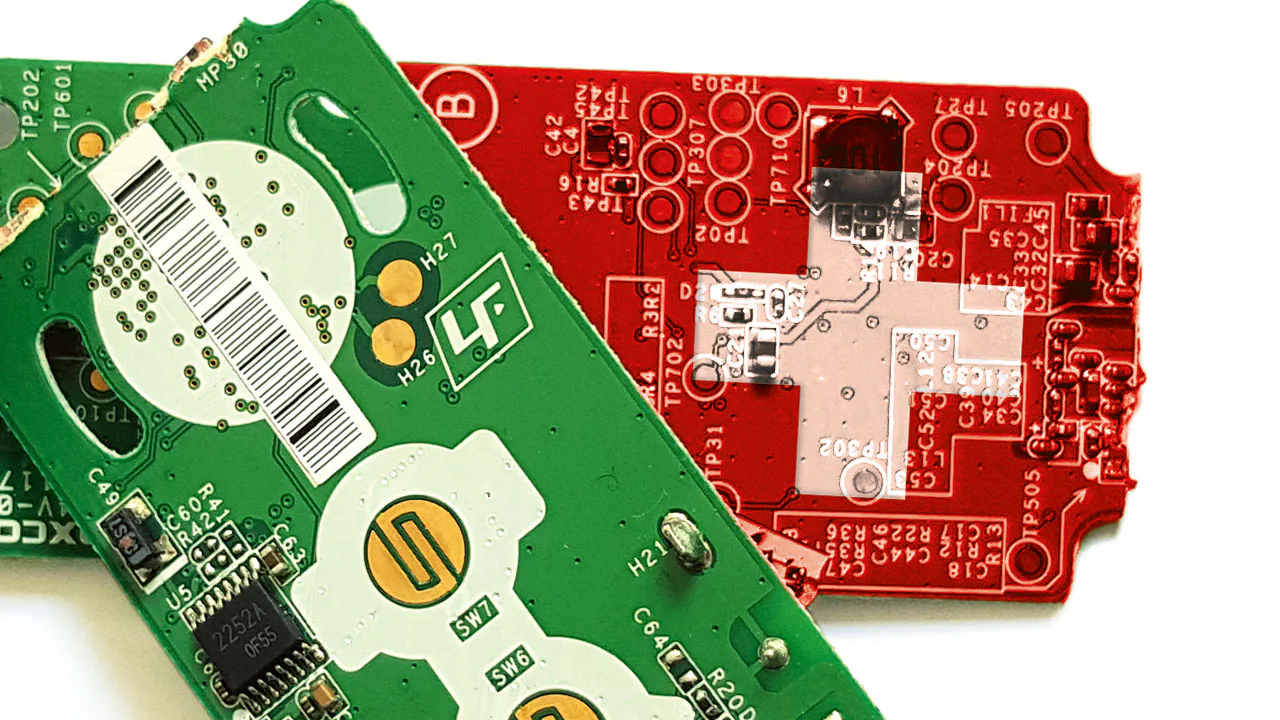
Knapp 380 Teilnehmer konnte der Schweizer Recyclingkongress 2026 verzeichnen, der Ende Januar von Swiss Recycle und SVKI veranstaltet wurde. Neben der Revision des Umwelt-schutzgesetzes (USG) und der Vorbereitung zur Wiederverwendung von Elektrogeräten stand auch der Einsatz von künstlicher Intelligenz in der Recyclingbranche im Fokus.

Increasing waste volumes, ambitious recycling quotas and growing cost pressure pose funda-mental challenges for municipalities and waste management companies. Artificial intelligence and the Internet of Things are opening up new ways to make collection, sorting and material flow control more efficient, transparent and sustainable. The study "Revolutionizing urban solid waste management with AI and IoT: A review of smart solutions for waste collection, sorting, and recycling" by a Saudi Arabian scientist shows how digital systems can evolve from an addi-tional technological benefit to a strategic key for the circular economy.

Steigende Abfallmengen, ambitionierte Recyclingquoten und wachsender Kostendruck stellen Kommunen und Entsorgungsunternehmen vor grundlegende Herausforderungen. Künstliche Intelligenz und das Internet der Dinge eröffnen neue Wege, Sammlung, Sortierung und Stoffstromsteuerung effizienter, transparenter und nachhaltiger zu gestalten. Die Studie „Revolutionizing urban solid waste management with AI and IoT: A review of smart solutions for waste collection, sorting, and recycling" eines saudi-arabischen Wissenschaftlers zeigt, wie sich digitale Systeme vom technologischen Zusatznutzen zum strategischen Schlüssel für die Kreislaufwirt-schaft entwickeln können.
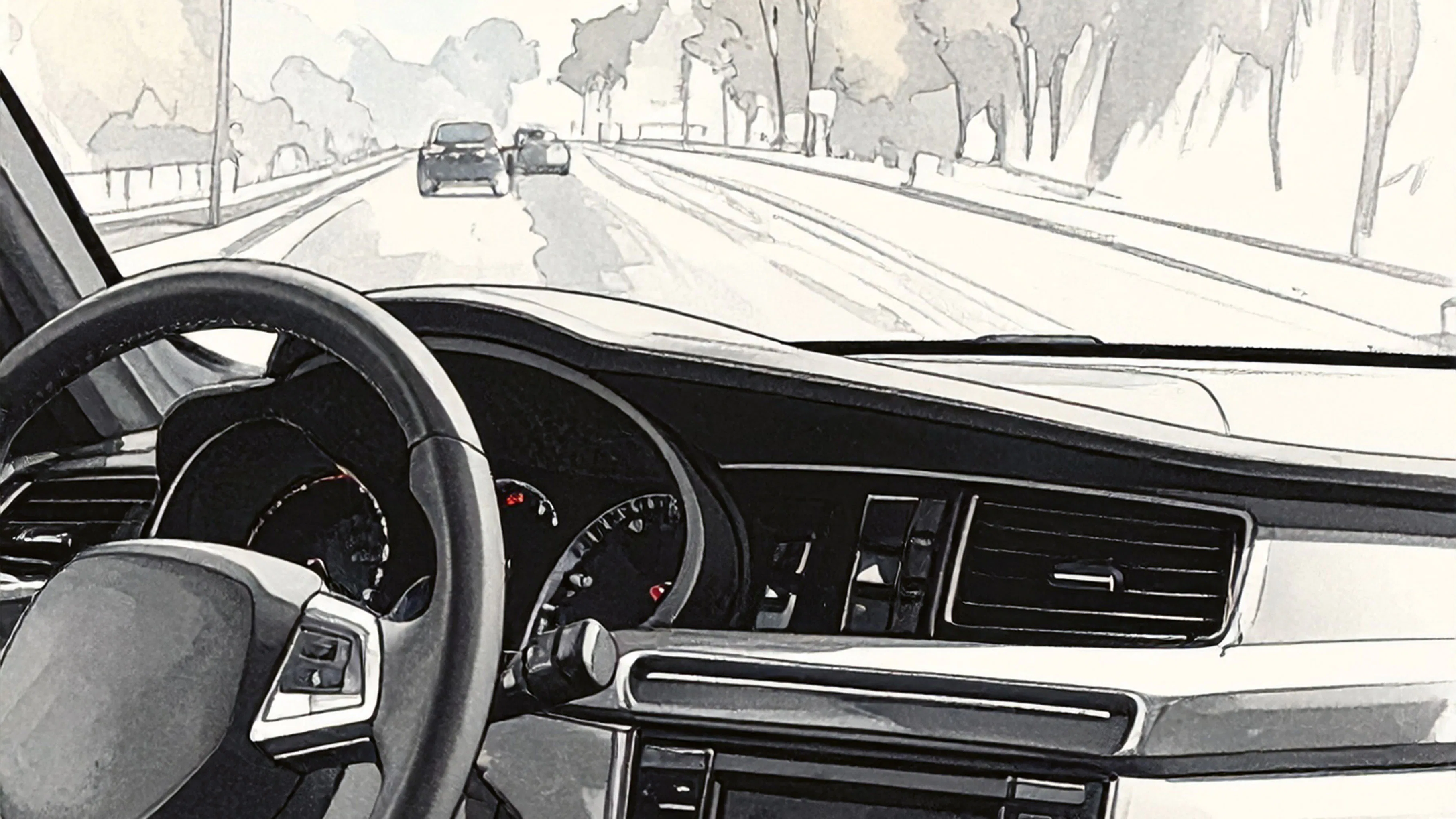
The automotive industry is at the heart of Europe's efforts to close resource cy-cles and drive the transition to a circular economy. The study "Increasing plastic circularity in the automotive sector: Supply chain analysis and policy options from the European Union (EU)" by scientists from Italy and the Netherlands examined plastic circularity in the automotive sector. In doing so, it focuses on the drivers and hurdles of recycling. The study was published in "Resources, Conservation & Recycling".
Die Automobilindustrie steht im Zentrum der europäischen Bemühungen, Res-sourcenkreisläufe zu schließen und den Übergang zu einer zirkulären Wirtschaft voranzutreiben. Die Studie „Increasing plastic circularity in the automotive sector: Supply chain analysis and policy options from the European Union (EU)" von Wis-senschaftler*innen aus Italien und den Niederlanden hat die Kunststoffzirkulari-tät im Automobilsektor untersucht. Dabei fokussiert sie sich auf die Treiber und Hürden des Recyclings. Die Studie wurde in „Resources, Conservation & Recyc-ling" veröffentlicht.
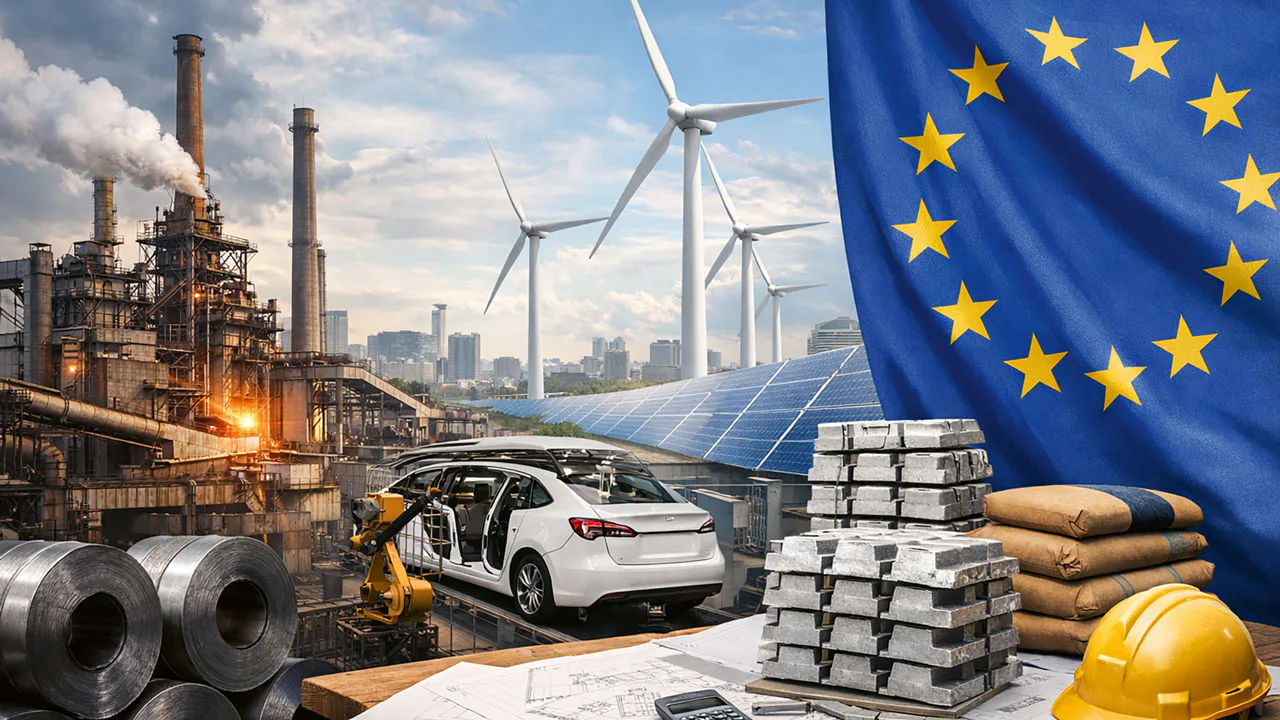
And once again, the EU wants to speed things up. This time, the "Industrial Accelerator Act" is to be about selected industrial sectors. The main focus is on public procurement and approval procedures.
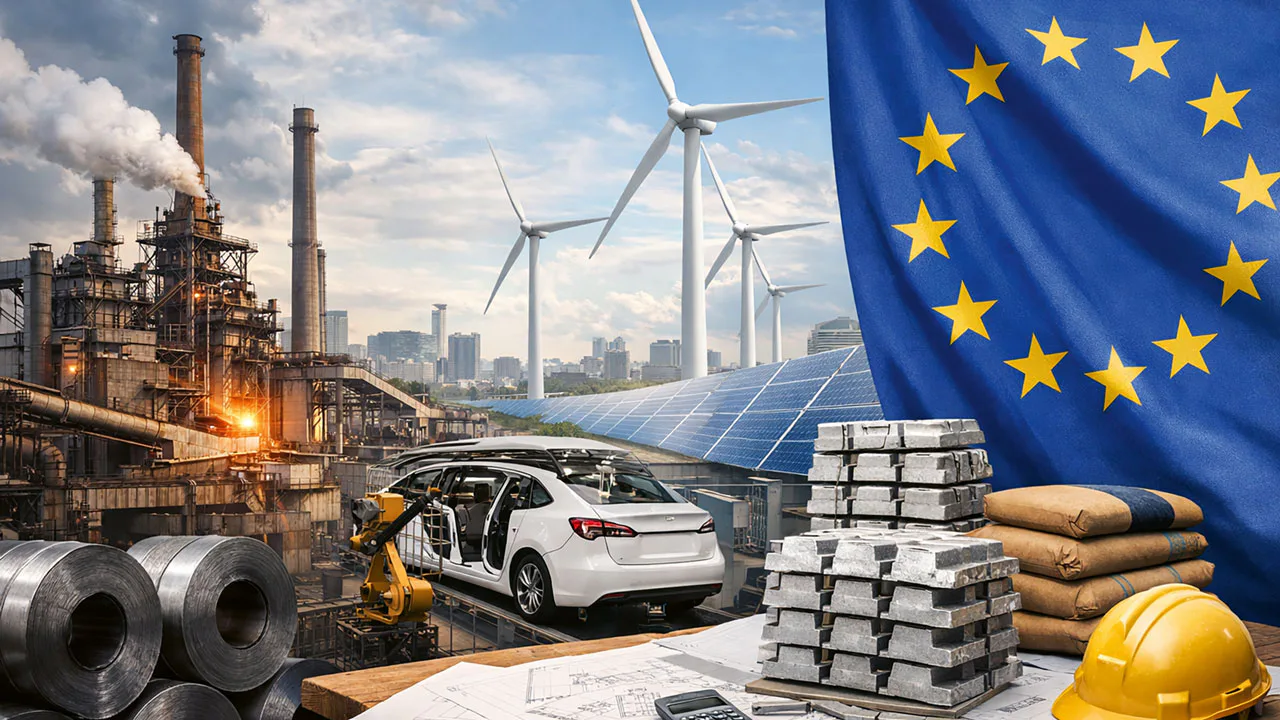
Und wieder einmal will die EU Dinge beschleunigen. Diesmal soll es mit dem „Industrial Ac-celerator Act" um ausgewählte industrielle Sektoren gehen. Dabei stehen vor allem die öffent-liche Beschaffung und Genehmigungsverfahren im Fokus.
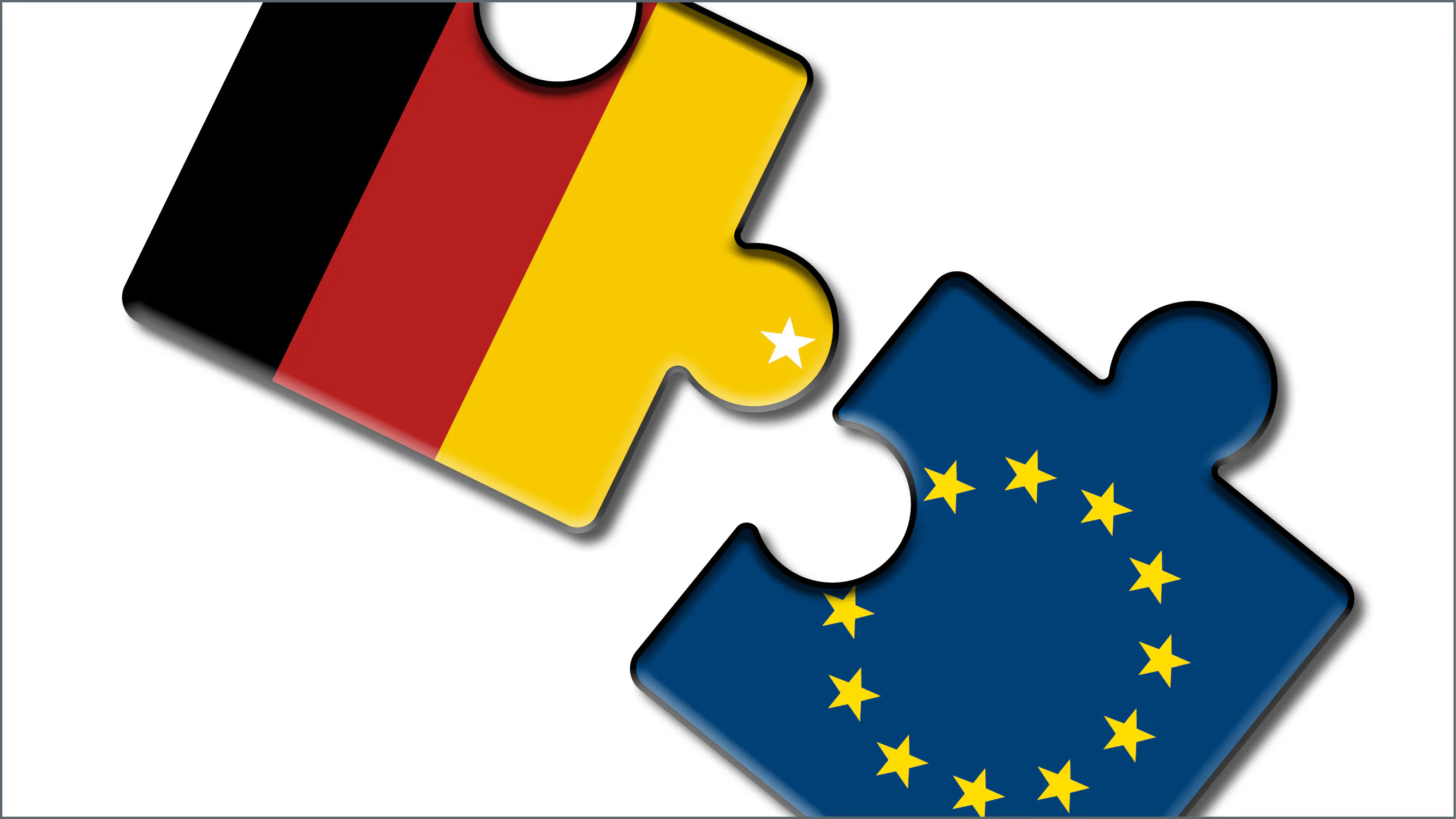
Where does Germany stand in terms of the circular economy and what about the European goals? The Bertelsmann Foundation's study "Circular Economy Strategies of the EU and Germany in Comparison" examined the status quo in Germany. In addition, it was examined whether the German targets correspond to those of the EU.
Wo steht Deutschland in Sachen Kreislaufwirtschaft und wie sieht es mit den europäischen Zielen aus? Die Studie „Kreislaufwirtschafts-Strategien der EU und Deutschlands im Ver-gleich" der Bertelsmann-Stiftung hat den Status quo in Deutschland untersucht. Außer-dem wurde geprüft, ob die deutschen Ziele denen der EU entsprechen.

Digitalisierung und KI gewinnen zunehmend an Bedeutung, spielen gerade in KMUs aber noch keine wichtige Rolle. Trotzdem - oder vielleicht auch gerade deshalb - war die Teilnahme am bvse Digital Summit sehr rege. Im Mittelpunkt standen Anwendungsbeispiele, die heute schon in Unternehmen zum Einsatz kommen.
Extended producer responsibility is considered the backbone of European recycling policy. But while collection and recycling rates are increasing, waste volumes continue to grow, while reuse and repair remain structurally underfunded. As part of the planned Circular Economy Act, Zero Waste Europe pro-poses a fundamental realignment of extended producer responsibility in the policy brief "Extended Pro-ducer Responsibility (EPR) for waste reduction".
Die erweiterte Herstellerverantwortung gilt als Rückgrat der europäischen Recyclingpolitik. Doch wäh-rend Sammel- und Verwertungsquoten steigen, wachsen die Abfallmengen weiter, während Wiederver-wendung sowie Reparatur strukturell unterfinanziert bleiben. Im Rahmen des geplanten Circular Econo-my Act schlägt Zero Waste Europe in dem Policy-Brief „Extended Producer Responsibility (EPR) for waste reduction" eine grundlegende Neuausrichtung der erweiterten Herstellerverantwortung vor.
Digital product passports are considered a key tool for promoting transparency, sustainability and circular economy in global value chains. Especially in the area of critical raw materials for batteries, they are intended to overcome regulatory fragmentation and provide reliable infor-mation on origin, processing and reuse. However, their cross-border implementation raises considerable legal questions. The white paper "Digital Product Passports and Critical Raw Ma-terials for Batteries: Legal Conflicts and Principles for Cross-Border Cooperation" by UNECE analyzes the central legal conflict areas in the implementation of digital product passports in global CRM battery value chains and develops principles for an internationally coordinated legal framework.

Das Institut der deutschen Wirtschaft hat im Vorfeld der geplanten Landeskreislaufwirtschaftsstrategie in NRW in dem Bericht „Vom Anspruch zur Umsetzung: Kreislaufwirtschaft in NRW" eine Bestandsaufnahme vorge-nommen und Handlungsempfehlungen abgeleitet.